
After the ascension of Jesus, His disciples were left with one clear instruction: wait in Jerusalem for the promise of the Holy Spirit. I’ve always found something deeply human in that waiting period sitting in uncertainty, not fully knowing what was coming, yet trusting the arrival of something greater. What happened next was pure divine power, an awe-inspiring display that no one in that room could have predicted. The Spirit descended like beams of light, filling the room and giving the disciples the sudden ability to speak in languages they’d never learned, all by the power of God. It’s the kind of miraculous event that still gives me chills reading it today, imagining the sheer confusion and wonder in that space.
Outside, astonished visitors from around the world gathered, hearing God’s wonders spoken in their own native tongues, completely baffled by how these uneducated disciples suddenly carried this kind of knowledge. As we move through this Acts 2 Bible study, I want us to sit with the questions this moment raises rather than rush toward easy explanation. There’s something powerful about approaching Acts 2 the way those first witnesses did a little confused, deeply curious, and completely open to what God was doing right in front of them.
On the day of Pentecost, the disciples were gathered in one accord, all together in one place, when suddenly a sound came from the sky a sound like a rushing, mighty wind filling the whole house where they were sitting. Then something unforgettable happened: tongues of fire rested on them, and the Holy Spirit gave them the ability to speak in other languages, moved by the Spirit Himself, with different interpretations offered as they spoke. This moment marked something foundational for the book of Acts and for Christians ever since, introducing what we call baptism, specifically the baptism of the Holy Spirit, first hinted at in Acts 1:5 where John spoke of one greater who would come after his own water baptism. I find it worth pausing here for Discussion Question #1: how would you compare and contrast water baptism with Holy Spirit baptism? In my own study, water connects to verses like Acts 22:16, where being baptized and calling on the Lord, on the name of the Lord, brings a cleansing of sins tied to accepting Jesus, while Spirit baptism opens communication channels with God Himself, often marked by the sign of being able to speak in tongues the moment this baptism occurred.
This naturally leads into something I’ve wrestled with personally Discussion Question #2: should someone be baptized as an adult or as a child? Some traditions place baptismal vows in the hands of parents or guardians, believing the spiritual results still matter even when a child can’t yet reaffirm their own faith, which is why infant water baptism remains controversial among believers who study the Bible closely, especially when we see entire households baptized together, trusting the promise behind God’s promises rather than a child’s ability to accept or reject anything on their child’s behalf. Other churches lean toward a confirmation class or renewing baptismal vows once older kids become adults, giving them the freedom to choose for themselves before receiving communion, grounded firmly in scripture rather than tradition alone. I personally lean toward valuing individual commitment just as much as public commitment, having sat with a pastor through training that deepened my own knowledge before making that decision to follow Jesus fully and I think that kind of reaffirmation only strengthens whatever baptismal practice a church chooses to hold onto.
Picture the scene: devout men, Jews from every nation, gathered in Jerusalem, when a sound broke from the sky and a whole multitude heard their own languages being spoken back to them. They were amazed and marveled, wondering how Galileans could possibly speak in each person’s native language Parthians, Medes, Elamites, people from Mesopotamia, Judea, Cappadocia, Pontus, Asia, Phrygia, Pamphylia, Egypt, Libya near Cyrene, visitors from Rome, Jews and proselytes, Cretans, Arabians every group hearing the mighty works of God in their own tongue. I think about how staggering that must have felt, this sudden gift of languages through the Holy Spirit‘s baptism, given to the disciples so their speaking in tongues became a visible manifestation for a crowd fluent in Aramaic, Hebrew, Greek, and Latin, representing visitors from so many countries at once. It reminds me of watching Wycliffe Bible Translators work today, or even how something as simple as Google Translate helps spread Bibles through platforms like Amazon — that same heart behind translation, breaking barriers so people can understand.
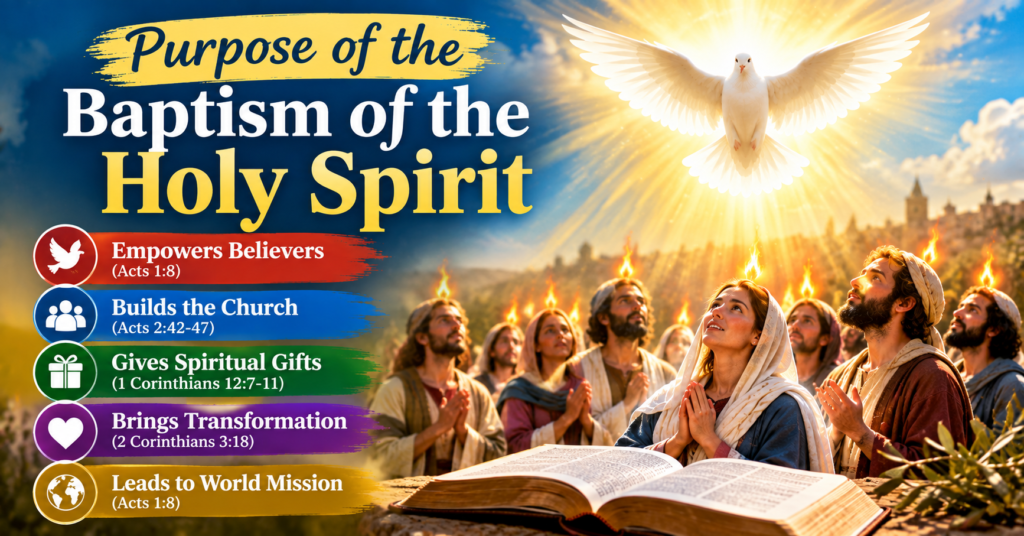
What strikes me most is that this supernatural power wasn’t just about language the same Spirit behind healing, the kind Jesus performed, still shows up today in ways I’ve personally witnessed, like a leper made whole, or a doctor telling a patient that beyond antibiotics there was nothing more medicine could do for stage 4 cancer or severe mental illness, only to watch the medical system stand baffled. I’ve had my own season of doubt turned into a dream confirmed later in scripture, even receiving an unexpected check in my bank account during a season of real need, much like friends I know who saw cancer vanish against every prediction from their doctors pure joy breaking through what felt like total darkness. This same Spirit offers forgiveness, and as Galatians describes, produces the fruit of the Spirit in every Christian life: patience, kindness, self-control, and yes, miracles, alongside love, peace, goodness, faith, and gentleness. That’s the real purpose behind Pentecost as I understand it through the New Testament proof within the Jewish religion that Jesus truly was the promised Messiah, empowering the disciples to carry that message to the whole world.
Try to imagine standing in Jerusalem that day, watching a crowd of visitors grow genuinely amazed and perplexed, unable to make sense of what they were witnessing. These were just fishermen from Galilee, ordinary Galileans with no formal training, yet suddenly fluent in languages none of them had ever studied, each person hearing their own native language as if it were the most natural thing in the world. I think that’s what makes this moment such a powerful testimony of God at work this wasn’t a rehearsed performance, it was raw, unfiltered Gospel breaking through in real time. I’ve shared this experience with friends before, trying to explain how the Holy Spirit transformed a room of frightened disciples into bold witnesses through one undeniable miracle, and honestly, words still fall short of what actually happened that day.
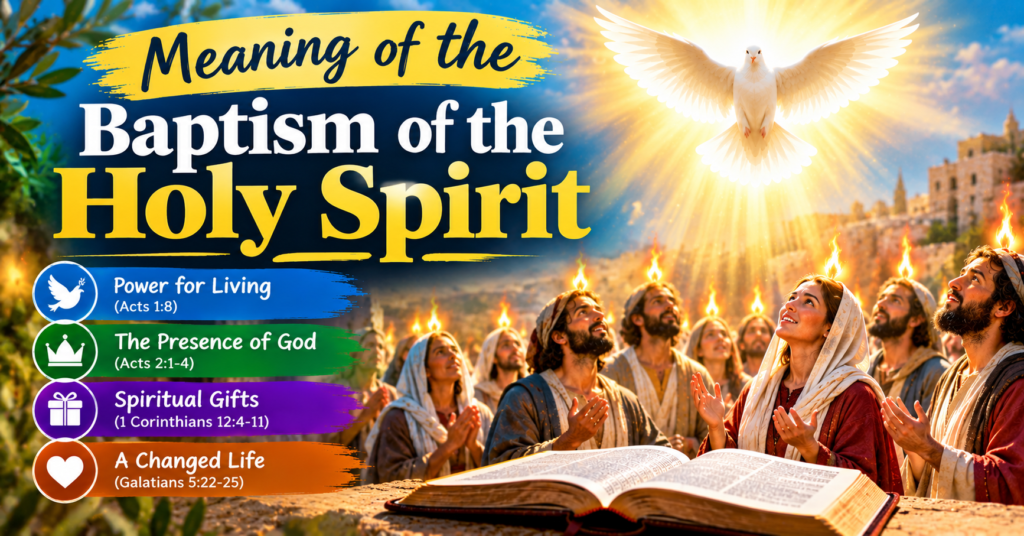
That’s part of why Pentecost still fascinates me it felt almost impossible, the kind of event so strange that some onlookers assumed the disciples were simply drunk, dismissing it as people acting crazy rather than accepting something so far outside an ordinary event. But what looked chaotic on the surface was deeply supernatural, a genuine manifestation of the Holy Spirit, a gift of speaking languages meant to carry testimony and spread the Gospel through actual human language, not confusion caused by alcohol or some wild crazy party lit by candles. I find that contrast striking even now what seemed like foolishness to outsiders in Jerusalem was really heaven touching earth through a handful of humble men from Galilee, and that gift of disciples speaking boldly is still something I hold onto whenever my own faith feels too ordinary to matter.
I think about Ananias and Sapphira often when I consider what real spiritual discernment looks like among Christians, because their story in Acts 5:1-10 still unsettles me. After selling a possession, a piece of land, they brought part of the price as a financial donation, laying it at the apostles’ feet, but claimed it was the whole amount — a lie straight to Peter, and through him, to God Himself. Peter asked plainly why Satan had filled his heart to tempt the Spirit of the Lord, since he and Sapphira had clearly agreed together on this strange behavior. The truth came out fast, and fear, real fear, followed by sudden death, struck Jerusalem even the young men preparing his burial couldn’t have predicted his wife would repeat the same lie within hours. I’ve sat with that story wondering how easily we, too, try to impress other people rather than simply being honest before God, and how tempting it is to tell lies dressed up as devotion, even over something like a large donation.

That tension between performance and authenticity followed me into my own high school youth group, at a church full of teenagers navigating our own doubts about spiritual gifts. I remember a youth retreat where speaking in tongues became almost a badge of honor, and being baptized by the Holy Spirit felt like something you needed to prove to fit in. I’ll admit it I faked it once, and walked away disillusioned, wondering if the gift was even real. Years later, during public ministry work, I watched a genuine interpreter translate a Gospel message into a visitor’s own language without ever touching Google Translate or a microphone beforehand, and that felt like undeniable proof, the kind that builds trust rather than doubt. God knows the truth even when we can’t, and Scripture warns us in Matthew 7:1-2 about rushing to pass judgment, reminding us to extend grace even while taking lying seriously, since damage to the church and seeds of doubt spread quickly when the signs of the Spirit get faked. The real purpose behind the gifts of the Holy Spirit was never self-promotion — it was for the disciples, and for us, in spreading the Gospel to far away locations, giving genuine legitimacy to the experience rather than manufacturing a triumph for ourselves. This matters because there’s a consequence to deception; the enemy uses these battles to erode faith, obedience, and discernment within the Christian community, damaging evangelism and honest witness. Reflecting on Discussion Question #6 how easily are we tempted to impress other people rather than trust the Holy Spirit’s work I think of mercy, spiritual authenticity, and how tongues with true interpretation protect church unity rather than invite spiritual deception. God’s sovereignty stands over every act of divine judgment, and the consequences of lying in Ananias and Sapphira’s story still teach me about power, great fear, and the weight carried by an honest baptism and a real Holy Spirit’s gift, verified not by performance but by integrity, accountability, and divine truth lived out in the Christian faith.