
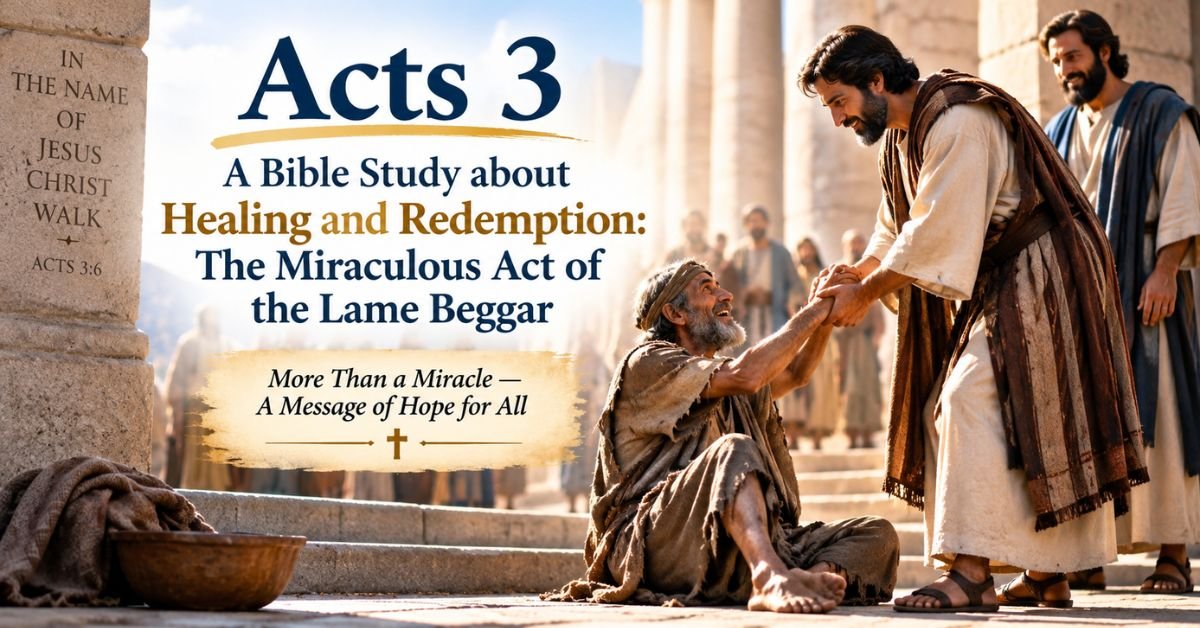
I still remember the first time this story really hit home for me. In the third chapter of the Acts of the Apostles, Peter meets a lame beggar at the temple gate, and without any hesitation, Peter heals him on the spot a moment of pure healing that still gives me chills every time I read it. A man who was never able to do something as simple as standing on his own suddenly walks, and the crowds react with genuine surprise. As the crowds expresses surprise, Peter launches into a reminder of everything Jesus had done, pointing to the numerous miracles as proof of who Jesus really was. But then Peter turns serious, telling the people plainly that they chose that people chose to have Jesus crucified, even after watching so many miracles with their own eyes. Honestly, that part always convicts me: how easy it is to witness something incredible and still choose to look away.
What I love about studying this passage is realizing Peter’s fairly harsh statements weren’t meant to crush anyone, but to wake them up. His harsh statements about the crucified Savior and the crucifixion lead straight into an open door: repent of your sins, turn around, and follow Jesus. That’s really what repentance is not shame, but a real choose-and-follow moment that leads to faith, salvation, and true discipleship in Christ. From my own experience, obedience and forgiveness are what turn conviction into lasting spiritual healing and restoration. And that, to me, is where the real joyful moments in Christ are found not in perfection, but in being made whole again, just like that beggar at the gate.
The Healing of a Lame Beggar
I’ve read through the Book of Acts more times than I can count, and the third chapter always stops me in my tracks. Acts, or Acts of the Apostles, doesn’t just tell one story it builds from the first chapter, where Jesus promises His disciples, including Peter and John, that they will receive power through the Holy Spirit and become witnesses starting in Jerusalem, then Judea, Samaria, and to the uttermost parts of the earth. By the second chapter and into the third chapter, the apostles are already living that promise out through miracles, wonders, and signs that leave people amazed and gripped with fear. What’s fascinating, and something Luke a doctor by trade captures with such careful detail, is the actual healing itself: a miracle at the temple during the hour of prayer, the ninth hour, involving a lame beggar, a certain man disabled from his mother’s womb, who was carried daily to the door called the Beautiful Gate, one of the temple gates, to ask for gifts from the needy-hearted crowd. He wanted silver or gold, but Peter offered something greater in the name of Jesus Christ of Nazareth, telling him to get up and walk. Taking him by the right hand, Peter raised him up, and instantly his feet and ankle bones received strength immediately he was leaping, stood upright, walking, and praising God right there in front of the people, who recognized him as the very man who used to sit begging.
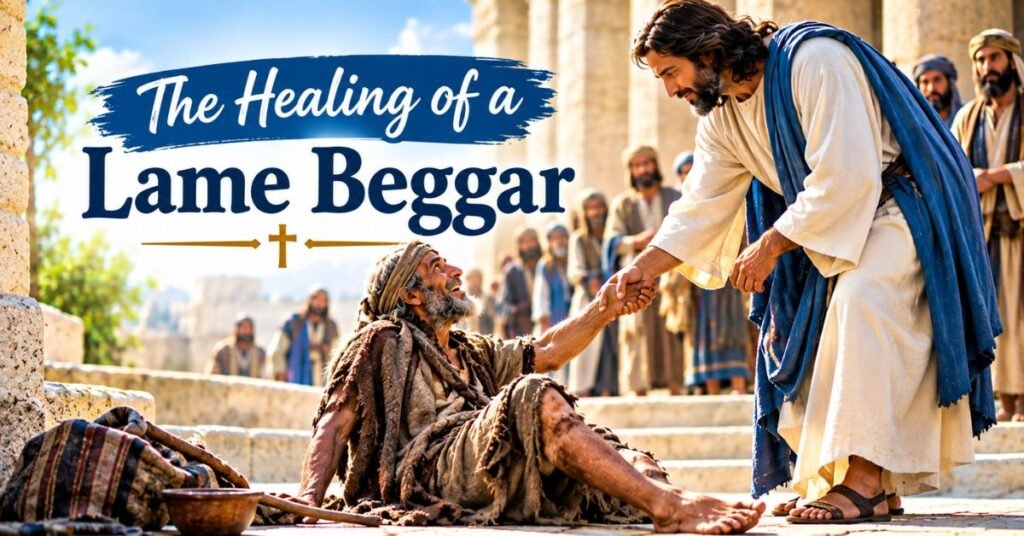
That moment of wonder and amazement at what had happened is really the heart of this passage for me — a man healed, a blessing of full restoration, born out of faith, worship, and pure joy. It’s one of those genuine joyful moments in Christ, showing how miracles were never just physical events but pictures of spiritual healing and salvation. Reading it now, I feel my own sense of gratitude and thanksgiving rise, because it points straight back to the goodness of God, the Father of lights, from whom every good gift and perfect gift comes above, without variation or turning shadow. That truth alone makes me thankful, and it’s why thankfulness shouldn’t be occasional — every gift, every one of these blessings, deserves praise, especially since none of us have earned them; temptation whispers we’re deserved of good things, yet the beggar’s story of rejection and hopelessness, with no source of help for daily survival since birth, no parents able to carry that burden as child or adult, no way to carry himself to find food or money, painting such a terrible life of begging outside temple courts where restrictions kept the lame and blind from being permitted to enter — his story reminds me that response and reaction to God’s work should never be expected, only received as unexpected grace far beyond anything given, seen, or imagined by a mere person. It stretches my imagination, urges a real change in pattern, and should induce me to never take for granted the hand of God behind all good things — recognizing God’s goodness with a thankful heart rooted in obedience, trust, and hope, because that’s where true worship, gratitude, blessing, spiritual transformation, and deliverance actually begin.
Discussion Question #1
Picture the scene the way I do every time I read it: a lame beggar sitting in the same place day after day, right where Peter and John would pass by, because high foot traffic near temple gates was the smartest position for anyone hoping to catch someone’s eyes and ask for money. That’s simply how beggars in the city survived you’d look for a person likely to answer, treating each passerby almost like a target, because rejection was far more common than help. This man had known nothing but hopelessness from birth; his parents couldn’t shield him from that burden as child or as adult, and begging for food and money was his only way to survive and ensure survival through a terrible life with no other chance.
Yet he stayed willing, holding his position, hoping someone would offer gifts to the needy, becoming his source of help in a moment he never planned for. His expectation was small a coin, a glance, some fleeting attention but the response he received went past mere help into something rooted in faith, hope, and even holy desperation: real healing and full restoration found only in Christ and God.
Discussion Question #2
What strikes me about the lame beggar’s response is how immediate and physical it was the moment he was healed, his healing happened right there at the temple, and he didn’t just walk, he moved in leaps and bounds, praising God without holding back. For years, restrictions on the lame and blind had kept him outside; now he could enter the temple courts for the very first time in his life, finally permitted where he’d never been welcome before.
That kind of gift is more than a blessing it’s a miracle producing joy, worship, gratitude, and thanksgiving directed straight at God and Christ, the true source of his restoration and new freedom. Honestly, that image of unrestrained healing and unfiltered praise is what I picture whenever I think about what genuine transformation is supposed to look like.
Discussion Question #3
I love how this next question reframes everything: every gift, every good gift and perfect gift, comes from God, the Father of lights, above, coming down without variation or turning shadow meaning it never shifts, never fades, and never runs out. That kind of steady goodness is rarely expected; it usually arrives unexpected, and our reaction in that moment says a lot about our hearts.
When someone has received far more than they ever imagined, the honest reaction isn’t calculation it’s surprise and amazement. That’s exactly what I imagine the person given this gift must have felt, realizing it went far beyond anything he could have pictured for himself. It’s blessing born from goodness and generosity, and the only fitting response is gratitude, thanksgiving, and joy rooted in Christ, faith, God’s provision, and spiritual blessing.
Discussion Question #4
This last question is the one I sit with the longest, because it’s easy for gifts from God to become given and forgotten rather than thankful and remembered. Real thankfulness and gratitude shouldn’t let us take for granted what we’ve been handed; it should change the pattern of our lives and induce genuine praises, the same way Peter and John pointed every eye back to God rather than themselves.
Every gift is far beyond what we ever imagined, and learning to recognize God’s hand in it resisting the temptation to feel we deserved these good things on our own is where humility starts. From the Father come blessings, goodness, and reasons for praise, worship, gratitude, and thanksgiving, all through faith in Christ. That’s the blessing and provision of His generosity, the real source of joyful moments, a thankful heart, ongoing spiritual growth, honest recognition of God’s goodness, and every divine blessing we receive.
The Zinger
Every time I teach this passage, I tell people to picture the scene carefully: the newly healed man, once a lame man, is still clinging to Peter and John, held on and following them into Solomon’s Porch, because after real healing like that, who would want to let go? The crowd around them grows astonished, an astonished crowd of people who ran together, wondering and filled with marvel at what their own eyes had just witnessed. This is where Peter turns preacher, addressing the men of Israel, all of Israel really, and pointedly asking why they’re staring as though power or personal godliness had done this healing. Then comes what I call the zinger Peter names the God of Abraham, Isaac, and Jacob, the God of our fathers, and says plainly that this God has glorified His Servant Jesus, the very Jesus Christ the crowd delivered up and denied before Pilate, even when Pilate wanted to release Him. They rejected the Holy One, the Righteous One, and instead asked for a murderer to be granted freedom while their own Prince of life was killed yet God raised Him from the dead, and Peter and John stood there as witnesses to that resurrection.
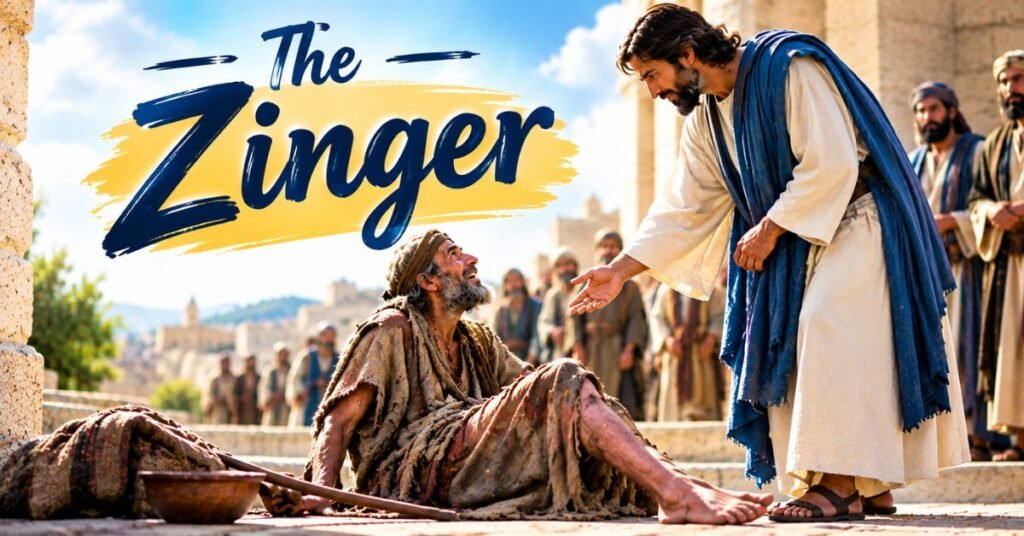
That’s the part that always convicts me personally, because Peter doesn’t soften it: through faith in his name, faith in Jesus, through Jesus’s name alone, this once-broken man was made strong, given perfect soundness, a miraculous healing flowing straight from God as the true healing source, all for glory to Him. When I study Peter’s speech to that crowd, I notice he isn’t shy about topics most preachers avoid he names their part in the execution, the unjust trial, the shame of it all, contrasted against Jesus’s goodness, exposing real injustice in how someone who didn’t deserve to die faced that demise anyway. Yet rather than leaving people angry, Peter uses this moment, and the fact that such miracles were performed over and over again, seemingly everywhere, to point back to God and stir hope for another man‘s healing too a living reminder that guilt isn’t the end but an invitation to repentance, salvation, and restoration through divine power and spiritual healing in Christ. It’s these very joyful moments of worship, praise, and gratitude wrapped in God’s mercy and forgiveness that turn a story about faith, resurrection, and life into one about righteousness, holiness, and lasting testimony; every witness to it becomes glory to God, proof of miraculous power and God’s goodness shown through Jesus’s sacrifice, His death and resurrection, so that even a crowd carrying shame can move through conviction and accountability into real redemption and hope.
The Olive Branch
Fortunately, Peter doesn’t leave the crowd standing in shame and regret after the healing; instead, he moves straight into an act of grace, telling his brothers that he knows they did what they did in ignorance, along with their rulers, and that even this wrong was somehow woven into what God had prophesied through the mouth of all his holy prophets, that Christ would suffer. From there Peter gives a call to action: repent, turn, and let your sins be blotted out, so that times of refreshing may come from the presence of the Lord, and so that God may send Christ Jesus, who was ordained for them, though heaven must receive him until the restoration of all things spoken by God through his holy prophets since the earliest chapter of human realization. Peter even points back to Moses, who told the fathers that the Lord would raise up a prophet like himself, and that whoever refused to listen would be cut off from among the people, a warning carried forward by Samuel and every prophet who followed, right down to the promised Messiah himself; this is the same covenant God made with Abraham, that all the families of the earth would gain blessing through his offspring, and now God, having sent his servant, offers that blessing first, by turning them away from their evil ways.

I always come back to the image of an olive branch when I read this point in Luke’s summary of Peter’s words, because underneath the hard truth of what the people had done sits a choice: believe in Jesus, the Holy and Righteous One, the author of life, whose prophesy was fulfilled in his death, and be forgiven, or deny him and gain a curse instead of that restoration. To me, that offered blessing is the olive branch itself, held out even after real wickedness, and the reasons Peter gives never once soften the blow by pretending the failure didn’t happen; he corrected them plainly, yet still handed them a way back rather than letting them stay utterly destroyed in guilt. Reading it now, as someone who has needed that same kind of correction more than once in my own life, I find comfort in how the essentials of the Old Testament scripture and the verses Peter quotes all point toward one thing: God does not want anyone left in their failure, and even after we’ve done wrong, an outstretched branch of peace is still on offer if we’re willing to respond with our soul, our children, and the whole of who we are, turning back before the choice in front of us becomes a lasting consequence we can no longer undo.