I still remember the first time I read Acts 8 and realized how much this one chapter can teach us about staying strong when life falls apart. The story opens right after intense persecution breaks out against the early church, and instead of hiding, the early Christians are forced to scatter far from their familiar surroundings. What strikes me every time I study Acts 8:1-25 is how believers didn’t lose their faith in the middle of this storm if anything, their unwavering faith grew stronger. This is where Jesus Christ becomes the anchor for people who had every reason to give up, and it’s a picture of resilience that still speaks to anyone going through hard seasons today.
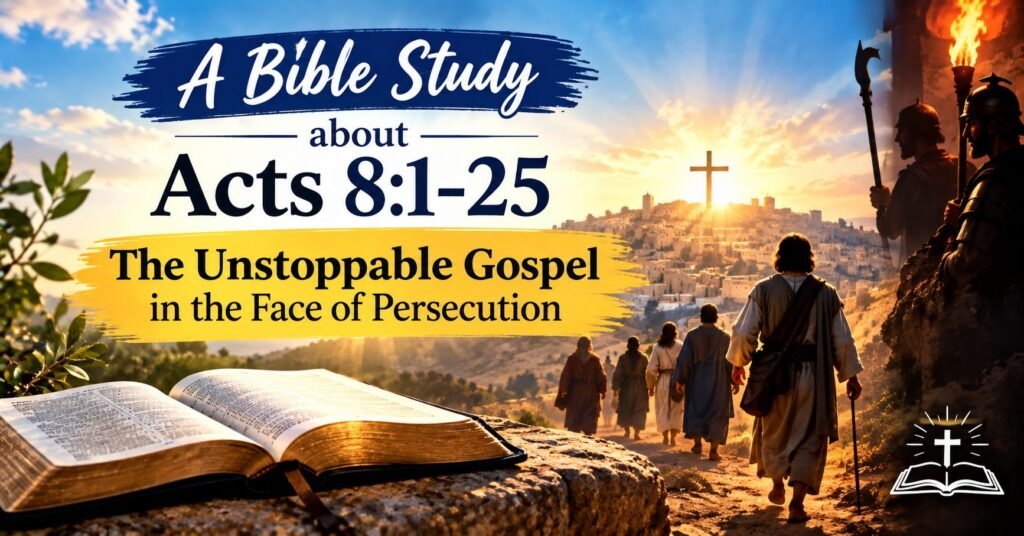
What I love most about this passage is that persecution couldn’t stop the mission instead, it became the very reason believers began to spread the gospel wherever they went. Even in the face of persecution, the gospel kept moving forward, and that’s why so many call it the unstoppable gospel. Through adversity, challenges, and real determination, the early church didn’t just survive it produced remarkable outcomes that shaped history. Their steadfast commitment to Christ is a testament to what happens when people choose to stand firm instead of giving up. In my own walk of faith, this chapter reminds me that God often uses our hardest moments to reveal the transformative power of the gospel, showing that faith prevailed even when everything familiar was taken away.
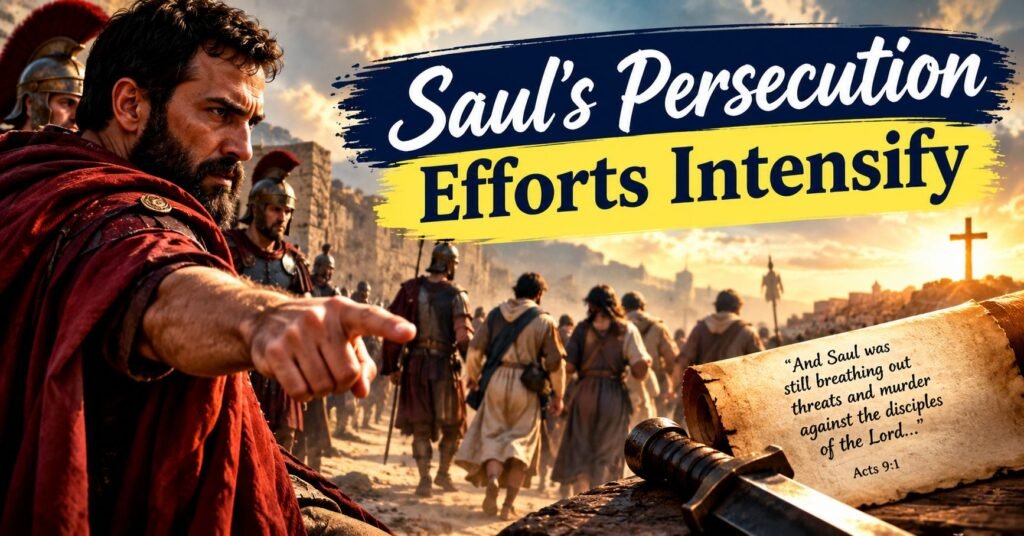
Acts 8:1-3 opens on a hard day for the early church, right after the martyrdom of Stephen, whose brutal stoning in Acts 7 became a turning point and a bridge between his life as a faithful disciple and the aftermath that followed. Stephen had been boldly proclaiming the gospel of Jesus Christ in Jerusalem, and his execution, carried out by religious authorities, was nothing less than an unjust execution of a true disciple. Saul, later known as apostle Paul, stands out as the central figure and driving force behind this intensified persecution — not yet one of the apostles, but already backed by political authorities in ravaging the church. Reading the ESV account, I’m always struck by how Saul went house after house, dragging off men and women straight to prison, later committing to prison anyone who wouldn’t recant. This kind of persecution brought arrests, imprisonment, and raw physical violence, pushing believers into a forced exodus they never asked for — a real dispersion, a scattering, not a voluntary dispersion — through this hostile environment, scattering them across Judea and Samaria while only the apostles stayed behind in the church in Jerusalem.
The devout men who buried Stephen with such lamentation show the deep bond inside the Christian community, and reading it in this kind of vivid detail always makes me stop and reflect on my own feelings can any of us really relate to what those scattered believers went through, pulled from everything familiar by broader hostility and delivering persecution on anyone holding different beliefs? This reality of persecution tested their faith to the core, facing real adversity, yet the followers of Jesus remained steadfast, their steadfast commitment and unwavering faith becoming proof that no hostility could silence the gospel message. Even Saul of Tarsus, fueled by zealous opposition to the Christian faith, couldn’t stop it and Acts 9 later shows his own story flipping completely. Through doubts, internal struggles, and constant temptation to renounce their beliefs for worldly security, believers chose to stand up and take a stand against opposition, leaning on confidence in God’s faithfulness and drawing on God’s strength and guidance through every one of those challenging times. This is the same resilience that let Christianity grow, with witnesses carrying the message toward the ends of the earth just as Acts 1:8 promised, so that Stephen’s stoning and its honoring memory would somehow contribute to the spread of the message and help in fulfilling commission given by Christ. Whenever I face my own trials, I try to rely on that same courage and encouragement found in these shared experiences, because the transformative power of hope in Christ never fades, not even in suffering. History gives us powerful examples of this strengthening faith — Dietrich Bonhoeffer and Corrie ten Boom during Nazi times stood firm alongside countless others, leaving an indelible mark on history that still lives testify to what enduring hope looks like in the midst of adversity. Every one of the emotions those early Christians carried into new regions as the spread of the gospel unfolded reminds me that our own human cost and our own faith are meant to travel just as far.
Acts 8:4-8 picks up right in the aftermath of that painful season of persecution, and honestly, this is one of my favorite turns in the whole story. Instead of sinking into despair, the scattered believers who had fled Jerusalem turned their scattering into an opportunity, carrying the gospel message into brand new regions they never planned to visit. This is where I always tell people to notice God’s redemptive power He takes adversity and opens up avenues nobody expected. Philip is a great example here, preaching the word and boldly proclaiming Christ to the inhabitants of the city of Samaria. The crowds gathered with one accord, captivated and attentively listened as Philip proclaimed the good news, and they marveled at the signs and miracles they witnessed unclean spirits crying out with a loud voice as people were set free, and those who were paralyzed or lame were healed right before their eyes, according to the ESV account. His ministry shows the real effectiveness of sharing the gospel beyond familiar territories, stepping out to evangelize even when it meant facing barriers, challenges, and obstacles along the way.

What strikes me most, though, is the impact this had a profound manifestation of miraculous healings and deliverances among the Samaritans, many of whom had been possessed or oppressed by spiritual afflictions and physical afflictions. Their restoration and healing weren’t just quiet events; these miraculous occurrences validated Philip’s message and brought immense joy into a city that badly needed it. That’s the transformative power and transformative impact of the gospel on full display real hope, real healing, real joy. I’ve seen this same pattern in my own life: when we choose obedience to God’s call, show real willingness to leave our comfort zones, and step into unfamiliar territories, God meets us there. The attentive listening and joyful reception the Samaritans showed is something I try to cultivate in my own walk that same eagerness to stay receptive to God’s word and truth, building practices and attitudes that keep us open. This passage reminds us of the importance of spreading the message of salvation, both locally and globally, and how obedience to proclaim Christ can shape the lives of others far beyond what we imagine because when we participate in God’s redemptive work, the potential impact of the good news truly has no limits.
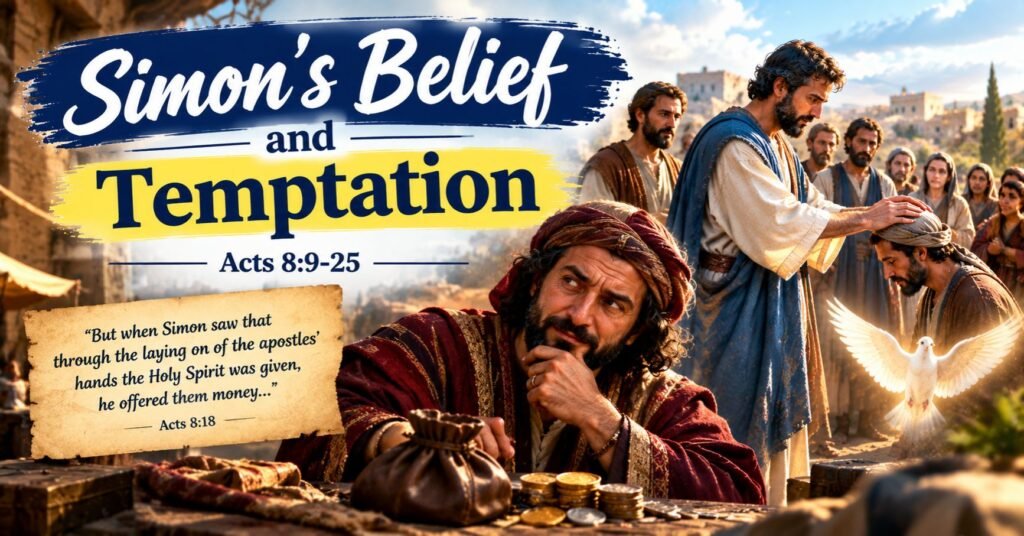
Acts 8:9-25 always gets me thinking about how contrasting motives and desires can hide inside the same heart, even while the spread of the gospel is happening right in front of someone. Simon the Magician is the perfect example before Philip ever showed up in Samaria, Simon had built his whole identity on magic, and people were amazed, calling him the power of God himself, giving him widespread admiration and acclaim as a renowned practitioner with real mastery over mystical arts. His self-proclaimed greatness gave him considerable influence and reverence, and honestly, that kind of allure is something I think most of us have felt tempted by at some point, whether it’s power, attention, or status. But when Philip arrived heralding the kingdom of God and the name of Jesus Christ, his proclamation and the great miracles, signs, and transformative power on display sparked real fascination according to the ESV, men and women believed and were baptized, and even Simon himself was among the conversions and baptisms, drawn away from his old spiritual power toward something greater.
That’s where Philip’s ministry starts to reveal Simon’s deeper newfound faith was mixed with personal gain he hadn’t let go of. When apostles Peter and John came down from Jerusalem after hearing Samaria had received the word of God, and laid hands on the Samaritans so they’d receive the Holy Spirit, Simon watched the laying on of hands and felt his old desire for power and prestige creep back in. His covetous nature and misunderstanding of spiritual gifts led him to offered money silver trying to manipulate divine power in the name of the Lord Jesus, which is exactly the kind of wickedness Peter’s stern rebuke called out, warning that no one can buy the gift of God. Peter saw straight into the condition of heart, condemning the gall of bitterness and bond of iniquity he found, and called Simon to repent, to check the intent of heart before it was too late; Simon, shaken, testified and asked Peter to pray that nothing of what was spoken the word of the Lord would come true against him, even as the apostles kept preaching the gospel through the villages. I’ve come to see this whole account as a real discernment test do we chase spiritual hunger out of sincere desire and genuine faith, or is it tangled up with selfish ambitions, personal agendas, and simple recognition? Peter’s response underscores why sincerity and humility matter so much in spiritual growth and understanding; without them, even beliefs rooted in preconceived notions can turn into a challenge we lose. Simon’s story stands as a real cautionary tale about the enduring nature of temptation, the inherent dangers of selfish purposes, and why spiritual vigilance matters even after professing faith in Christ because worldly power and the pull of the flesh don’t just disappear. On my own journey of faith, this passage pushes me to keep remaining steadfast in my commitment to Christ, taking real practical steps to guard my motives, resist bitterness and iniquity, and walk in repentance rather than misuse or abuse of anything sacred in any religious context or spiritual context because our perception of spirituality should come from God’s power and presence, not our own agenda. These lessons call us to keep serve others at the center, cultivating humility and a genuine hunger for God rather than selfish ambition, letting love, service, and the glorification of God guide our spiritual journey, so that the edification of the whole body of Christ not personal prestige becomes the goal.